Trees are one of the best things about any yard — they give you shade, add character, and bump up your property value. But if you've ever tried to make the area around their roots look nice, you know it can be a headache. Roots go everywhere, digging is risky, and nothing seems to grow in that shady patch under the canopy.
Good news: there are plenty of ways to make it look great without hurting your trees. Let's walk through them.
Why you can't just treat tree roots like regular ground
Here's the thing — tree roots sit way closer to the surface than most people think, especially on mature trees. They need oxygen, water, and room to grow. If you pile soil on top of them, dig around them, or compact the ground with heavy materials, you can stress the tree out. Sometimes permanently.
So the golden rule is: protect the roots first, make it pretty second.
Start simple — ground covers and mulch
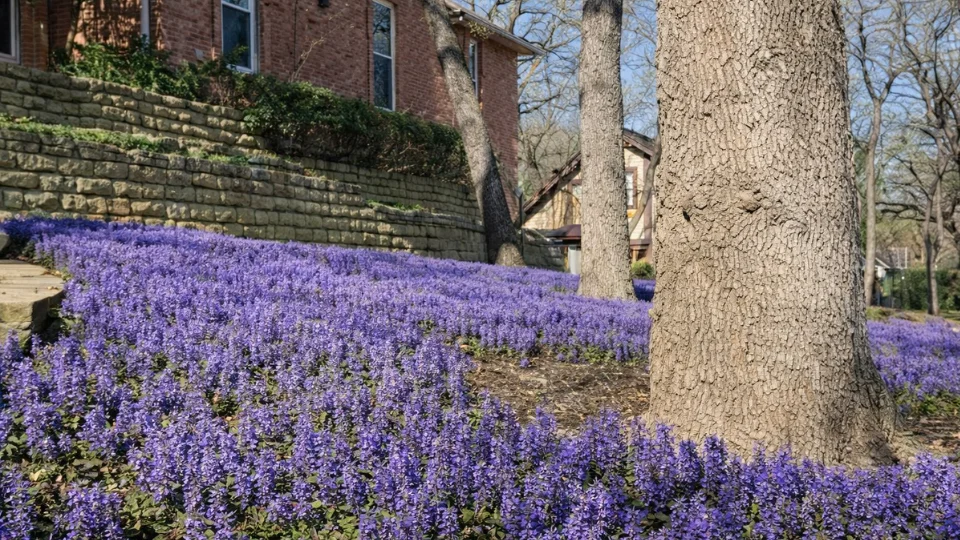
The easiest (and safest) move is to lay down mulch or plant a low-growing ground cover. No deep digging, no heavy equipment, and it instantly looks a hundred times better than bare dirt and exposed roots.
A few things that work well:
- Mulch — retains moisture, keeps roots cool, and looks clean. Just keep it a few inches away from the trunk.
- Shade-loving plants — hostas, ferns, and mondo grass do great under trees.
- Native ground covers — they're already built for North Texas conditions, so they practically take care of themselves.
Add a tree ring for a cleaner look
If you want a more defined look, consider adding a border around the base of your tree. It separates the lawn from the root zone, cuts down on mowing near the trunk, and just makes everything look more intentional.
You can use natural stone, brick, or decorative edging — just keep it shallow. You're creating a visual frame, not digging a trench. This is one of the easiest upgrades you can make, and it works on both residential and commercial properties.
Raised beds — but be careful
Raised beds can work around trees, but you need to be thoughtful about it. Piling a bunch of soil over roots cuts off their oxygen supply, which is basically suffocating the tree slowly.
If you want to go this route:
- Keep the soil layer thin — a couple inches max
- Never pile soil against the trunk
- Use a lightweight, well-draining mix
Raised beds are best for areas where roots aren't heavily exposed. When done right, they give you more planting options without compromising tree health.
Hardscaping that doesn't hurt
Walkways, stepping stones, or a small seating area can look incredible around a tree — especially on larger properties. The key is using permeable materials that let water and air through to the roots.
Good options: gravel, stepping stones, permeable pavers. Bad option: pouring a concrete slab right over the root zone. That'll slowly kill the tree.
Don't forget the lighting
This is one people don't think about enough. A couple of low-voltage uplights at the base of a tree can completely transform your yard at night. It highlights the trunk and canopy structure and adds a ton of depth to the overall landscape.
Just make sure you're not cutting into roots to run wiring. Position the fixtures above the root surface and use low-voltage systems.
Pick the right plants
Not everything will survive next to a tree. There's a lot of competition for water and nutrients down there, and most of the area is shaded. Look for plants that:
- Handle shade well
- Don't need deep planting holes
- Can tolerate drier conditions
Native plants are almost always your best bet here. They're adapted to the local soil and climate, so they're lower maintenance and more likely to thrive long-term.
Mistakes we see all the time
We've been doing this for 27 years, so trust us — we've seen it all. Here are the most common things people get wrong:
- Digging too close to the trunk — this damages feeder roots and can invite disease
- Volcano mulching — piling mulch up against the trunk like a volcano causes rot
- Dropping heavy pavers or stones directly on roots — compacts the soil and cuts off oxygen
- Ignoring drainage — water pooling around roots can be just as bad as drought
When to bring in the pros
If you've got large, mature trees or you're planning a bigger project, it's worth getting expert eyes on it. We know how to work around root systems safely while still making your property look incredible.
Whether you're planning a full landscape overhaul or just want to spruce up the base of one tree, we're happy to come take a look.
At Smith Lawn and Tree, we design and maintain outdoor spaces that work with your trees, not against them. Give us a call at (817) 921-2222 or fill out our contact form — the consultation is free.